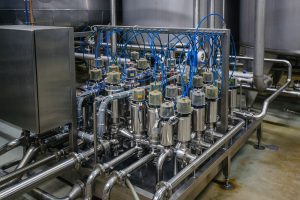

Compressed air is one of the most important utilities in a facility, but it is also one of the easiest places to lose energy, pressure, reliability, and money. Leaks, pressure drop, poor controls, oversized equipment, moisture problems, dirty filters, and inefficient piping all force the system to work harder than it should.
Compressor Maintenance Co. provides compressed air audits that help facilities understand how their air system performs, where energy is being wasted, and which improvements create the clearest path to savings.
We review the full system, not just the compressor. That includes demand, pressure, flow, power usage, leaks, storage, dryers, filtration, piping, controls, maintenance patterns, and production requirements.
A compressed air audit is a system-level review that measures how compressed air is generated, treated, stored, distributed, and used throughout a facility.
An audit helps identify problems such as air leaks, pressure drop, inefficient compressor sequencing, oversized equipment, undersized piping, poor storage, failing drains, dirty filters, moisture issues, and unnecessary energy use.
The goal is simple: turn compressed air data into practical recommendations that improve reliability, reduce waste, and lower operating costs.
A compressed air audit gives your team a clearer picture of how the system performs under real operating conditions.
Depending on the audit scope, CMC helps identify:
The result is a practical roadmap, not a generic report. CMC helps facilities understand what to fix first, what to monitor, and where capital improvements may be worth considering.
Compressed air problems often hide in plain sight.
A plant may compensate for pressure loss by increasing system pressure. A compressor may run unloaded for long periods. Leaks may become part of the background noise. A dirty filter may create pressure drop that no one notices until production equipment struggles.
These problems add up.
A compressed air audit helps uncover the root cause instead of treating symptoms. Rather than assuming the facility needs a larger compressor, CMC reviews how the system uses air and where existing capacity is being lost.
That matters because the best savings often come from reducing waste before adding more equipment.
Compressed air audits focus on the data that explains system performance. The exact measurement plan depends on the facility, system size, and audit goals.
Common audit measurements include:
These measurements show how the system operates during normal production, shift changes, peak demand, and lower-demand periods.
Leaks are one of the most common sources of compressed air waste. They increase compressor runtime, raise energy costs, reduce available capacity, and make pressure problems worse.
During an audit, CMC helps identify leak points throughout the system, including fittings, hoses, drops, valves, quick connects, drains, tools, regulators, and production equipment.
Not every leak has the same impact. A good audit helps prioritize repairs based on severity, location, and effect on the system.
Leak repair often becomes one of the fastest ways to reduce wasted air and improve system performance.
When a compressed air system struggles, facilities often raise system pressure to compensate. That may help equipment temporarily, but it usually increases energy use and places more demand on the compressors.
Pressure drop may come from:
A compressed air audit helps determine whether the problem is compressor capacity, distribution, storage, treatment, controls, or leaks.
For distribution issues, CMC may also review the layout and condition of your compressed air piping systems to identify restrictions, pressure drop, corrosion concerns, and future expansion needs.
Compressor controls have a major effect on energy use.
A facility with multiple compressors may waste energy if units are fighting each other, running unloaded, operating outside their ideal range, or responding poorly to demand changes.
CMC reviews compressor operation to understand how the system responds during different production periods.
This may include reviewing:
Improving controls often helps facilities reduce wasted energy without changing every piece of equipment.
Compressed air treatment affects energy use, reliability, and product quality.
Dryers, filters, drains, and separators protect equipment from moisture, oil, and particulates, but they also create restrictions if they are undersized, dirty, failing, or poorly matched to the application.
CMC reviews air treatment equipment to determine whether it supports the system or adds avoidable pressure drop.
For more on dryers, filtration, separators, and condensate management, visit CMC’s compressed air treatment page.
An audit is only useful if the findings become action.
CMC helps turn compressed air audit data into a practical plan that supports energy savings, reliability, and better system performance.
A typical path includes:
For facilities planning efficiency improvements, CMC also helps review potential air compressor energy rebates.
Every system is different, but many compressed air audits uncover similar improvement opportunities.
Common recommendations include:
For ongoing reliability, audit findings may also lead into a stronger compressed air service and parts plan that keeps filters, separators, drains, belts, valves, and critical components maintained.
A compressed air audit is especially useful when a facility notices pressure problems, rising energy costs, compressor alarms, moisture issues, frequent repairs, or production growth.
An audit also makes sense before buying a new compressor. In many cases, the issue is not a lack of compressor horsepower. The problem may be leaks, piping, storage, controls, filtration, or air treatment.
A facility should consider an audit when:
Before investing in a new compressor, CMC helps facilities understand whether the current system is being used efficiently.
A compressed air audit may show that the facility needs a new compressor, but it may also show that existing equipment performs better after leaks, pressure drop, controls, storage, or treatment issues are corrected.
This helps customers make better purchasing decisions and avoid oversizing new equipment around avoidable waste.
If equipment changes are needed, CMC helps review the right compressor type for the application, including rotary screw compressors for continuous demand, reciprocating air compressors for intermittent air needs, and oil-free compressors for sensitive production environments.

We’re looking forward to working with you. Whether you have questions about products or services, our team is ready to help.
A compressed air audit is a system review that measures compressed air demand, pressure, flow, power use, leaks, controls, storage, dryers, filters, piping, and maintenance conditions to identify energy waste and performance issues.
A compressed air audit may measure pressure, flow, compressor power, loaded and unloaded runtime, leak impact, dew point, temperature, filter pressure drop, storage performance, controls, piping restrictions, and condensate management.
Compressed air audits save money by identifying waste. Common savings opportunities include leak repair, pressure reduction, improved controls, cleaner filtration, better storage, dryer improvements, piping corrections, and right-sized equipment.
A compressed air system should be audited when energy costs rise, pressure problems occur, production changes, new equipment is planned, or leaks and moisture issues appear. Many facilities also benefit from periodic audits as part of an energy management plan.
Compressed air energy waste often comes from leaks, excessive pressure, poor compressor controls, dirty filters, pressure drop, oversized equipment, undersized piping, poor storage, failing drains, and inadequate maintenance.
Yes. A compressed air audit helps confirm whether a new compressor is actually needed or whether leaks, pressure drop, controls, storage, piping, or air treatment issues should be corrected first.
A leak survey focuses mainly on finding compressed air leaks. A compressed air audit looks at the broader system, including pressure, flow, power use, controls, dryers, filters, storage, piping, maintenance, and efficiency opportunities.
Yes. Audit findings may help support energy rebate opportunities when improvements reduce verified energy use. Eligibility depends on the utility program, project type, location, and documentation requirements.