
A portable air compressor is a compressed air system designed to move to different work areas or jobsites. Portable compressors may be tow-behind, trolley-mounted, skid-mounted, or otherwise built for field use.
Portable air compressors are used to power pneumatic tools, jackhammers, rock drills, impact wrenches, chipping tools, sandblasting equipment, utility tools, drilling equipment, and other field-based applications.
The right size depends on required CFM, required PSI, the number of tools running at once, duty cycle, air hose setup, and the application. Tool air demand should be calculated before choosing a compressor.
CFM measures how much air the compressor delivers, while PSI measures pressure. Both matter. A tool needs enough airflow and enough pressure to perform correctly.
Diesel portable compressors are better for remote jobsites without available power. Electric compressors are better when power is available and the application needs a heavy-duty compressed air solution without diesel operation.
A tow-behind air compressor is a portable compressor mounted on a trailer-style frame so it can be pulled between jobsites. It is commonly used in construction, utility work, roadwork, and field service.
A skid-mounted compressor is built on a skid base and is often mounted on a truck, drill rig, or equipment platform. It is common in drilling, utility, and field applications.
Yes. Portable air compressors need regular maintenance, including oil checks, filter changes, belt and hose inspection, fuel system checks, cooler cleaning, and routine service based on operating hours and environment.
Portable air compressor life depends on equipment quality, operating conditions, maintenance, duty cycle, and environment. Regular service helps extend compressor life and reduce breakdowns.
Portable air compressors are used in construction, utilities, mining, oil and gas, agriculture, water well drilling, industrial field service, equipment rental, and maintenance operations.
Portable air compressors provide reliable compressed air where fixed plant air is not available. Construction sites, utility work, drilling applications, industrial field operations, and remote jobs all need compressed air equipment that is durable, efficient, and built for changing environments.
Compressor Maintenance Co. helps customers choose, service, and support portable air compressors for demanding field and industrial applications.
We support electric construction compressors, diesel portable compressors, trolley-mounted compressors, skid-mounted compressors, and related compressed air service needs from trusted suppliers such as Sullivan-Palatek and ELGi.
Whether the application requires jobsite air, fleet-ready rental equipment, water well drilling support, utility work, or rugged compressed air for outside locations, CMC helps match the compressor to the work.
A portable air compressor is a compressed air system designed to move where the work happens. Unlike stationary compressors that remain fixed inside a facility, portable compressors are built for jobsites, outdoor environments, remote areas, and field-based applications.
Portable air compressors are commonly used for:
The right portable compressor depends on CFM, PSI, power source, mounting style, environment, service access, and how the air will be used.
Electric construction compressors support outside locations and industrial environments where electric power is available and a rugged compressed air solution is needed.
CMC supports Sullivan-Palatek ECC Series electric construction compressors, which are designed for heavy-duty compressed air use in demanding applications. These units are available in a range of 50 to 450 hp and are engineered with a centrally located lift point and containment base.
Electric construction compressors are often a good fit when an application needs:
Sullivan-Palatek ECC Series compressors include features such as energy-efficient electric motors, automatic stop-start or constant speed controls, built-in aftercoolers, heavy-duty two-stage air intake filtration, skid mounting, and accessible enclosure panels for maintenance.
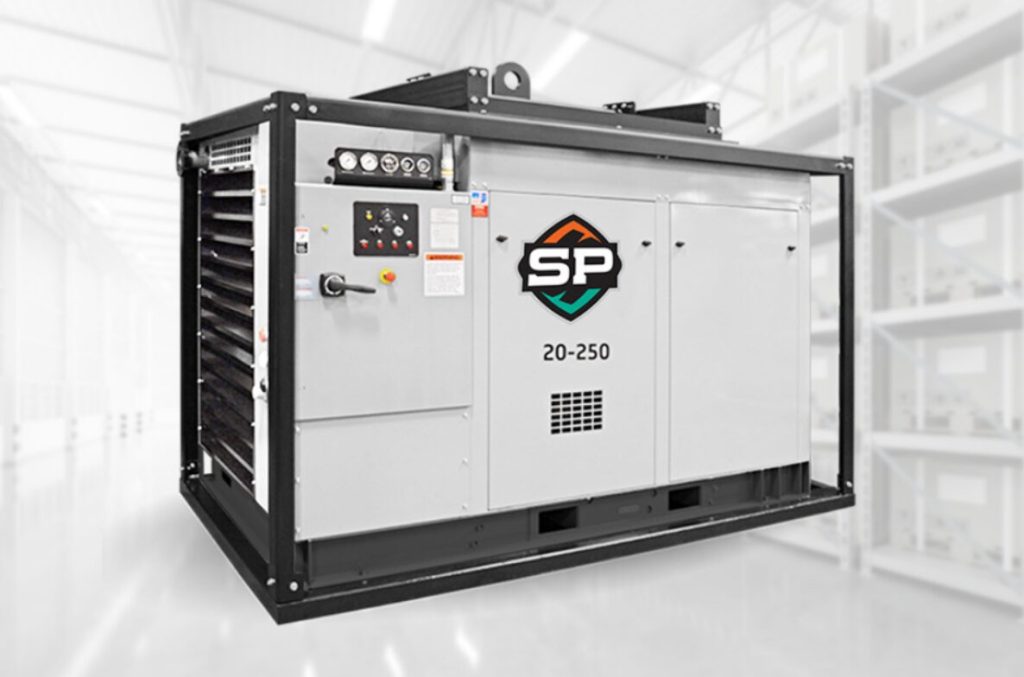
Diesel portable compressors are built for jobsites and remote environments where external power is not available.
CMC supports Sullivan-Palatek diesel portable compressors for customers that need rugged compressed air equipment for field use, fleet expansion, rental applications, and heavy-duty work. Sullivan-Palatek portable models are available across a broad range, including 185 to 1600 CFM with pressures up to 500 PSI.
Diesel portable compressors are often a strong fit when an application needs:
Sullivan-Palatek diesel portable compressors include features such as durable galvanneal sheet metal enclosures with powder-coated finish, lockable toolboxes, electronic controls, and air ends manufactured by Sullivan-Palatek.
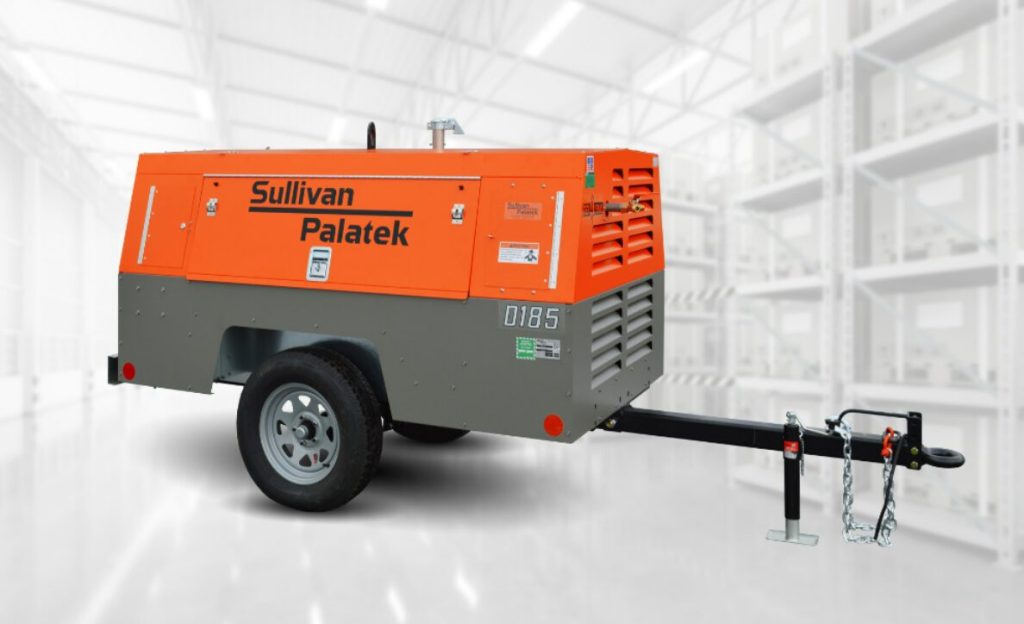
Trolley-mounted compressors are designed for transportability and jobsite flexibility.
CMC supports ELGi trolley-mounted diesel air compressors for construction and field applications that require reliable compressed air in changing work areas. ELGi trolley-mounted compressors are available in 185 to 1200 CFM models and support applications such as jackhammers, rock drills, impact wrenches, chipping tools, and sandblasting.
Trolley-mounted portable compressors are often a good fit when a facility or crew needs:
ELGi trolley-mounted compressors are designed for reliability, operating efficiency, service access, and rugged jobsite use.
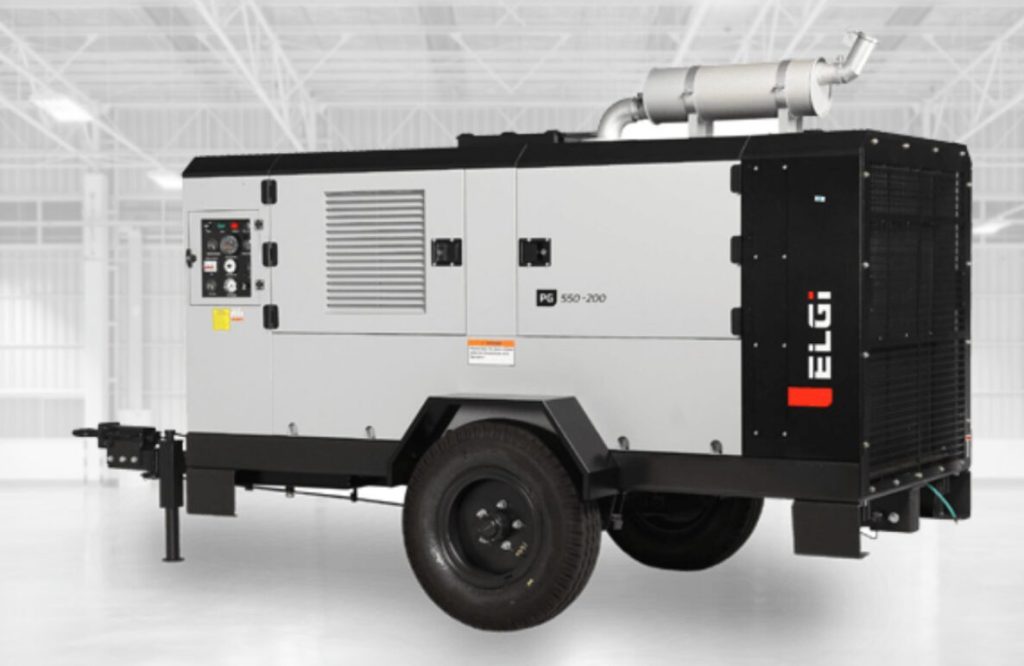
Skid-mounted compressors are built for applications where the unit is mounted to a truck, drill rig, or field equipment platform.
CMC supports ELGi skid-mounted diesel air compressors for applications that need rugged compressed air without a traditional tow-behind setup. These compressors are available in 500 to 1500 CFM models and are especially relevant for drill rigs, utility trucks, and water well drilling applications.
Skid-mounted portable compressors are often a strong fit when an application needs:
ELGi skid-mounted compressors support demanding field use with service access, centralized controls, corrosion-resistant canopies, and options for higher-pressure applications.
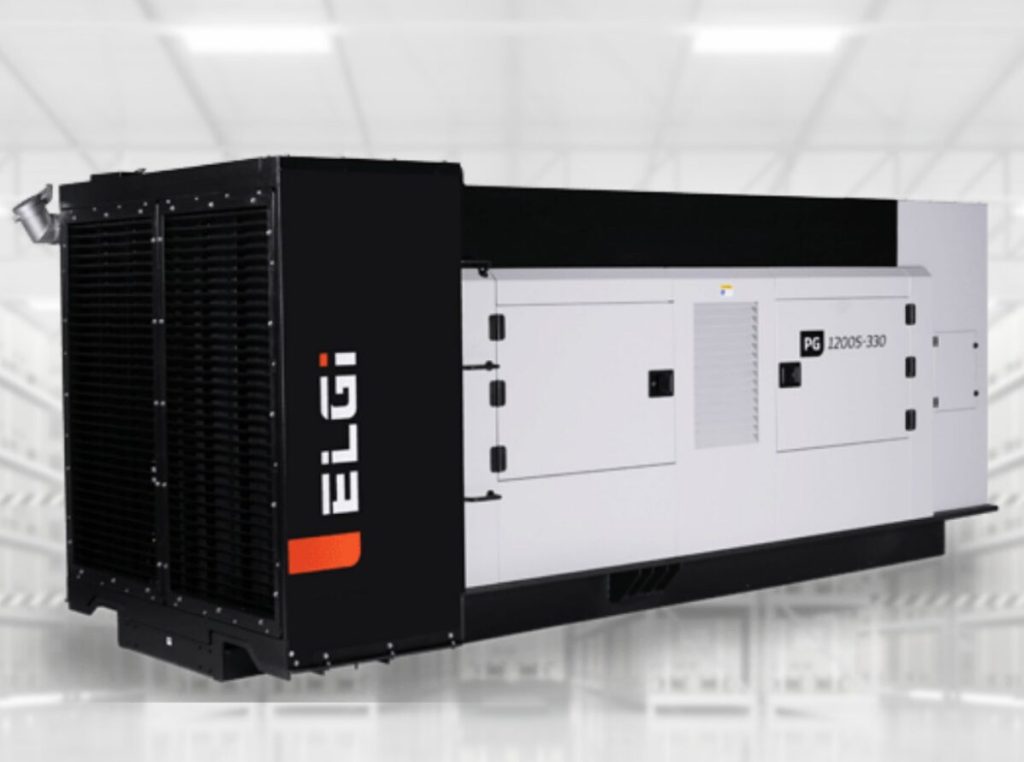
Construction teams use portable compressors to power tools and support work where permanent compressed air is not available.
Portable compressors commonly support:
For more construction-specific guidance, visit our compressed air for construction page.
Portable compressed air is also important for field operations outside traditional construction.
Water well drilling, utility service, mining, oil and gas support, agriculture, and industrial maintenance teams often need compressors that can handle demanding environments, longer operating hours, and high air demand.
In these applications, compressor selection should account for airflow, pressure, duty cycle, fuel use, transport method, service access, terrain, and the tools or equipment being powered.
CMC helps customers compare portable compressor options based on the actual job, not just the CFM rating.
Portable compressor selection starts with the work being done. A compressor that is too small may starve tools of air. A compressor that is too large may increase fuel use, cost, and complexity without improving performance.
When evaluating portable air compressors, consider:
This helps CMC recommend a portable compressed air solution that fits the application, environment, and long-term service plan.
Diesel and electric compressors both serve important portable and field-based applications.
Diesel portable compressors are useful when the compressor needs to operate independently of site power. They are often used in construction, drilling, mining, oil and gas, utility, and remote field applications.
Electric construction compressors are useful when power is available and the customer wants a heavy-duty compressed air solution for an outside or industrial location. Electric units may also help reduce fuel handling and emissions concerns in certain environments.
The best choice depends on power availability, operating location, airflow demand, runtime, environmental requirements, and how the compressor will be transported or installed.
Portable compressors still need the right accessories and maintenance support to perform well.
Depending on the application, portable compressed air systems may need:
Air quality needs vary by application. General tool air may not require the same treatment as process air, blasting air, or sensitive field equipment. CMC helps review air quality expectations and recommend supporting components when needed.
For related components, visit compressed air accessories
Portable air compressors work in harsh environments, so maintenance matters. Dust, debris, heat, cold, long run times, and transportation all affect equipment condition.
Routine maintenance may include oil checks, filter replacement, belt and hose inspection, fuel system checks, lubricant review, cooler cleaning, drain inspection, and general performance checks.
A strong maintenance plan helps reduce downtime, protect compressor life, and keep field equipment ready for work.
For broader service support, visit CMC’s compressed air service and parts page.
Portable air compressors provide reliable compressed air where fixed plant air is not available. Construction sites, utility work, drilling applications, industrial field operations, and remote jobs all need compressed air equipment that is durable, efficient, and built for changing environments.
Compressor Maintenance Co. helps customers choose, service, and support portable air compressors for demanding field and industrial applications.
We support electric construction compressors, diesel portable compressors, trolley-mounted compressors, skid-mounted compressors, and related compressed air service needs from trusted suppliers such as Sullivan-Palatek and ELGi.
Whether the application requires jobsite air, fleet-ready rental equipment, water well drilling support, utility work, or rugged compressed air for outside locations, CMC helps match the compressor to the work.
A portable air compressor is a compressed air system designed to move where the work happens. Unlike stationary compressors that remain fixed inside a facility, portable compressors are built for jobsites, outdoor environments, remote areas, and field-based applications.
Portable air compressors are commonly used for:
The right portable compressor depends on CFM, PSI, power source, mounting style, environment, service access, and how the air will be used.
Electric construction compressors support outside locations and industrial environments where electric power is available and a rugged compressed air solution is needed.
CMC supports Sullivan-Palatek ECC Series electric construction compressors, which are designed for heavy-duty compressed air use in demanding applications. These units are available in a range of 50 to 450 hp and are engineered with a centrally located lift point and containment base.
Electric construction compressors are often a good fit when an application needs:
Sullivan-Palatek ECC Series compressors include features such as energy-efficient electric motors, automatic stop-start or constant speed controls, built-in aftercoolers, heavy-duty two-stage air intake filtration, skid mounting, and accessible enclosure panels for maintenance.
Diesel portable compressors are built for jobsites and remote environments where external power is not available.
CMC supports Sullivan-Palatek diesel portable compressors for customers that need rugged compressed air equipment for field use, fleet expansion, rental applications, and heavy-duty work. Sullivan-Palatek portable models are available across a broad range, including 185 to 1600 CFM with pressures up to 500 PSI.
Diesel portable compressors are often a strong fit when an application needs:
Sullivan-Palatek diesel portable compressors include features such as durable galvanneal sheet metal enclosures with powder-coated finish, lockable toolboxes, electronic controls, and air ends manufactured by Sullivan-Palatek.
Trolley-mounted compressors are designed for transportability and jobsite flexibility.
CMC supports ELGi trolley-mounted diesel air compressors for construction and field applications that require reliable compressed air in changing work areas. ELGi trolley-mounted compressors are available in 185 to 1200 CFM models and support applications such as jackhammers, rock drills, impact wrenches, chipping tools, and sandblasting.
Trolley-mounted portable compressors are often a good fit when a facility or crew needs:
ELGi trolley-mounted compressors are designed for reliability, operating efficiency, service access, and rugged jobsite use.
Skid-mounted compressors are built for applications where the unit is mounted to a truck, drill rig, or field equipment platform.
CMC supports ELGi skid-mounted diesel air compressors for applications that need rugged compressed air without a traditional tow-behind setup. These compressors are available in 500 to 1500 CFM models and are especially relevant for drill rigs, utility trucks, and water well drilling applications.
Skid-mounted portable compressors are often a strong fit when an application needs:
ELGi skid-mounted compressors support demanding field use with service access, centralized controls, corrosion-resistant canopies, and options for higher-pressure applications.
Construction teams use portable compressors to power tools and support work where permanent compressed air is not available.
Portable compressors commonly support:
For more construction-specific guidance, visit our compressed air for construction page.
Portable compressed air is also important for field operations outside traditional construction.
Water well drilling, utility service, mining, oil and gas support, agriculture, and industrial maintenance teams often need compressors that can handle demanding environments, longer operating hours, and high air demand.
In these applications, compressor selection should account for airflow, pressure, duty cycle, fuel use, transport method, service access, terrain, and the tools or equipment being powered.
CMC helps customers compare portable compressor options based on the actual job, not just the CFM rating.
Portable compressor selection starts with the work being done. A compressor that is too small may starve tools of air. A compressor that is too large may increase fuel use, cost, and complexity without improving performance.
When evaluating portable air compressors, consider:
This helps CMC recommend a portable compressed air solution that fits the application, environment, and long-term service plan.
Diesel and electric compressors both serve important portable and field-based applications.
Diesel portable compressors are useful when the compressor needs to operate independently of site power. They are often used in construction, drilling, mining, oil and gas, utility, and remote field applications.
Electric construction compressors are useful when power is available and the customer wants a heavy-duty compressed air solution for an outside or industrial location. Electric units may also help reduce fuel handling and emissions concerns in certain environments.
The best choice depends on power availability, operating location, airflow demand, runtime, environmental requirements, and how the compressor will be transported or installed.
Portable compressors still need the right accessories and maintenance support to perform well.
Depending on the application, portable compressed air systems may need:
Air quality needs vary by application. General tool air may not require the same treatment as process air, blasting air, or sensitive field equipment. CMC helps review air quality expectations and recommend supporting components when needed.
For related components, visit compressed air accessories
Portable air compressors work in harsh environments, so maintenance matters. Dust, debris, heat, cold, long run times, and transportation all affect equipment condition.
Routine maintenance may include oil checks, filter replacement, belt and hose inspection, fuel system checks, lubricant review, cooler cleaning, drain inspection, and general performance checks.
A strong maintenance plan helps reduce downtime, protect compressor life, and keep field equipment ready for work.
For broader service support, visit CMC’s compressed air service and parts page.
A portable air compressor is a compressed air system designed to move to different work areas or jobsites. Portable compressors may be tow-behind, trolley-mounted, skid-mounted, or otherwise built for field use.
Portable air compressors are used to power pneumatic tools, jackhammers, rock drills, impact wrenches, chipping tools, sandblasting equipment, utility tools, drilling equipment, and other field-based applications.
The right size depends on required CFM, required PSI, the number of tools running at once, duty cycle, air hose setup, and the application. Tool air demand should be calculated before choosing a compressor.
CFM measures how much air the compressor delivers, while PSI measures pressure. Both matter. A tool needs enough airflow and enough pressure to perform correctly.
Diesel portable compressors are better for remote jobsites without available power. Electric compressors are better when power is available and the application needs a heavy-duty compressed air solution without diesel operation.
A tow-behind air compressor is a portable compressor mounted on a trailer-style frame so it can be pulled between jobsites. It is commonly used in construction, utility work, roadwork, and field service.
A skid-mounted compressor is built on a skid base and is often mounted on a truck, drill rig, or equipment platform. It is common in drilling, utility, and field applications.
Yes. Portable air compressors need regular maintenance, including oil checks, filter changes, belt and hose inspection, fuel system checks, cooler cleaning, and routine service based on operating hours and environment.
Portable air compressor life depends on equipment quality, operating conditions, maintenance, duty cycle, and environment. Regular service helps extend compressor life and reduce breakdowns.
Portable air compressors are used in construction, utilities, mining, oil and gas, agriculture, water well drilling, industrial field service, equipment rental, and maintenance operations.
Enough about us, let’s talk about you. Tell us about your project needs.