
A containerized compressor room is a prefabricated outdoor enclosure that houses compressed air equipment outside the plant. It helps facilities save interior floor space while supporting reliable compressed air capacity.
Facilities use containerized compressor rooms when they need more compressed air capacity but do not want to use valuable square footage inside the plant. These systems help support production growth, equipment upgrades, and compressor room expansion from an exterior location.
These as outdoor containerized compressor rooms, not mobile air units. Their main purpose is to house compressed air equipment outside the plant, so the facility preserves interior floor space.
A containerized compressor room may include compressors, dryers, filters, tanks, condensate drains, oil-water separators, piping, controls, fire suppression, nitrogen generation equipment, oxygen generation equipment, or vacuum equipment depending on the application.
Yes. Containerized compressor rooms often include air treatment equipment such as refrigerated dryers, desiccant dryers, line filters, mist eliminators, oil-water separators, and condensate drains.
Yes. Containerized systems may support on-site nitrogen generation when the facility needs nitrogen production along with compressed air treatment, filtration, piping, and related system components.
Yes. Piping affects pressure drop, air quality, and system efficiency. Properly sized and routed piping helps move compressed air from the outdoor compressor room into the facility with less wasted energy and better system performance.
Compressed air equipment takes up valuable space inside a plant. When production areas, storage space, maintenance zones, and equipment layouts already compete for square footage, adding or expanding a traditional compressor room inside the building is not always the best option.
Compressor Maintenance Co. helps facilities solve that problem with containerized compressor rooms built for outdoor placement. These prefabricated compressor rooms house compressed air equipment in a dedicated exterior enclosure, helping facilities save interior floor space while adding reliable system capacity.
CMC supports containerized compressed air rooms for plants that need more air, cleaner equipment organization, better service access, or a practical way to expand without giving up valuable space inside the facility.
A containerized compressor room is a prefabricated outdoor enclosure designed to house compressed air equipment outside the plant.
Instead of building or expanding an interior compressor room, the facility places the compressor room outside and connects it to the plant’s compressed air system. These systems support compressors, dryers, filtration, tanks, piping, condensate management, fire suppression, nitrogen generation, oxygen generation, and vacuum equipment depending on the application.
The result is a dedicated compressor room solution that saves interior square footage and supports facility growth.
Many plants need more compressed air capacity but do not have open space inside the building. Others want compressor equipment separated from production, maintenance, or storage areas.
A containerized compressor room helps facilities:
For facilities where floor space is limited, an outdoor compressor room gives operations and maintenance teams a cleaner path to compressed air expansion.
Containerized compressor rooms are especially useful when a facility outgrows its existing compressed air setup.
This may happen when:
CMC helps facilities evaluate air demand, existing equipment, available outdoor placement, piping requirements, treatment needs, and future expansion goals before recommending a containerized compressor room layout.
A containerized compressor room arrives as a prefabricated system designed around the facility’s needs.
These enclosures help reduce the complexity of building a compressor room from scratch inside the plant. Instead of coordinating a full interior buildout, the equipment is organized inside a dedicated outdoor room with planned connections for power, discharge air, condensate, piping, and system components.
Containerized compressor rooms support:
CMC helps align the compressor room with the facility’s compressed air demand, air treatment needs, piping strategy, and long-term operating goals.
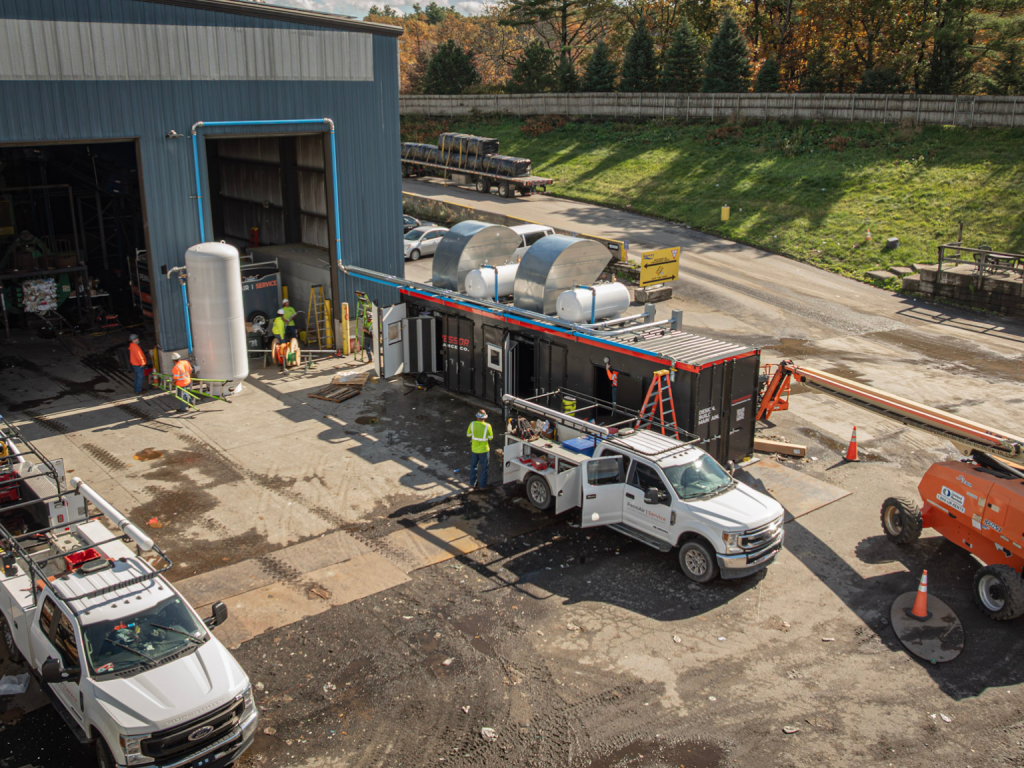
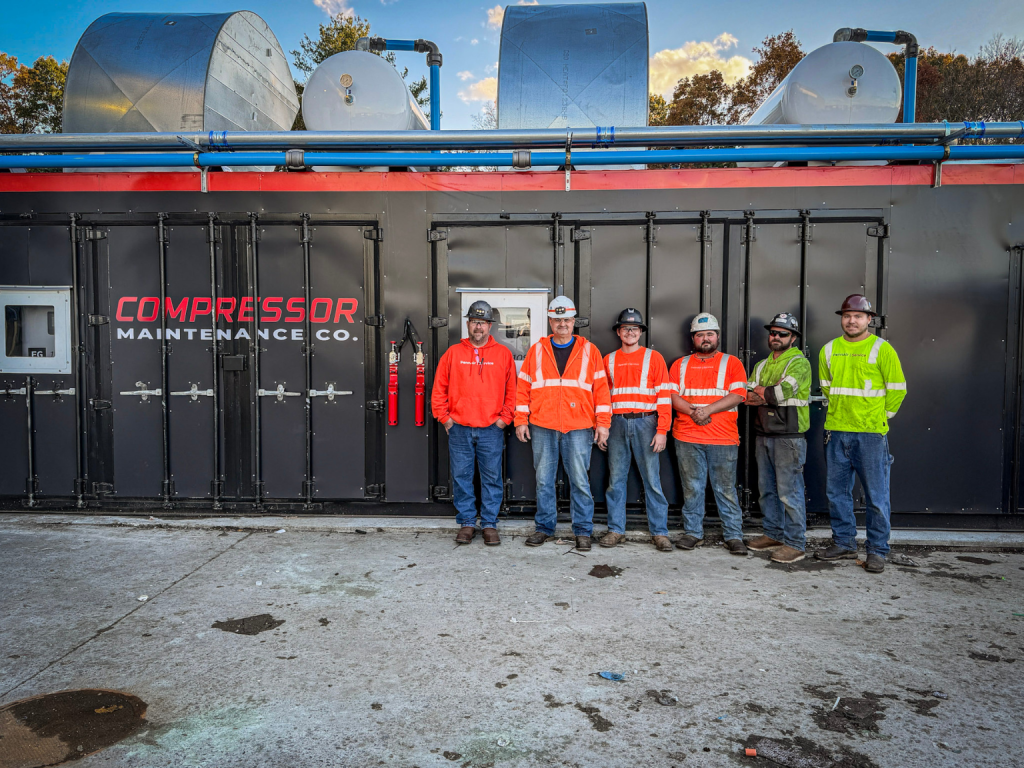
Containerized compressor rooms are built to protect compressed air equipment in outdoor environments.
The enclosure helps shield equipment from weather, temperature changes, and environmental exposure while providing a dedicated space for compressors and supporting components.
Key design considerations include:
CMC helps review placement, access, airflow, utility connections, equipment layout, and service needs before the system is built and installed.
The biggest advantage of a containerized compressor room is the ability to move compressed air equipment outside the facility.
That matters because plant floor space is valuable. Every square foot used for a compressor room is space that is not available for production, storage, maintenance, inventory, packaging, or future growth.
A containerized compressor room helps preserve interior square footage while still supporting the compressed air system that production depends on.
For expanding plants, this approach helps compressed air capacity grow without sacrificing the space needed for core operations.
CMC supports containerized rooms for both oil-free and oil-flooded compressed air systems.
Compressed air configurations may include:
Containerized compressed air systems support a wide range of industrial applications, including manufacturing, packaging, food and beverage, service operations, process air, and production support.
CMC works with compressor and system suppliers such as BOGE, ELGi, Champion, Sullivan-Palatek, FS-Elliott, CAS, and Ozen depending on the equipment type, air demand, and application.
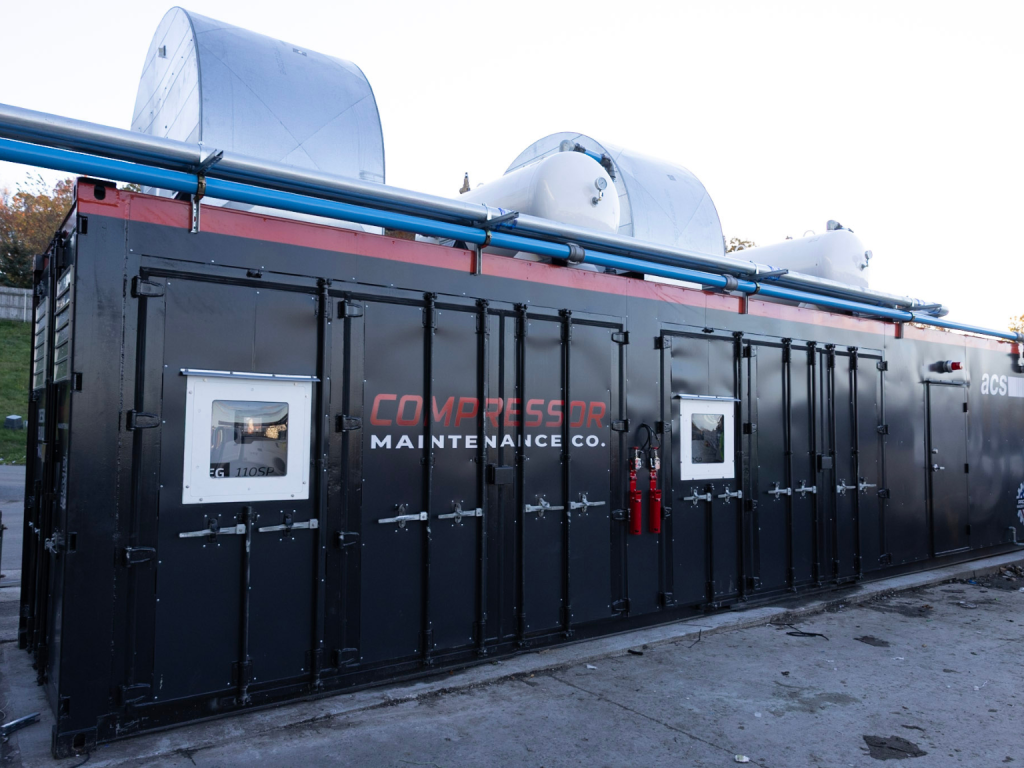
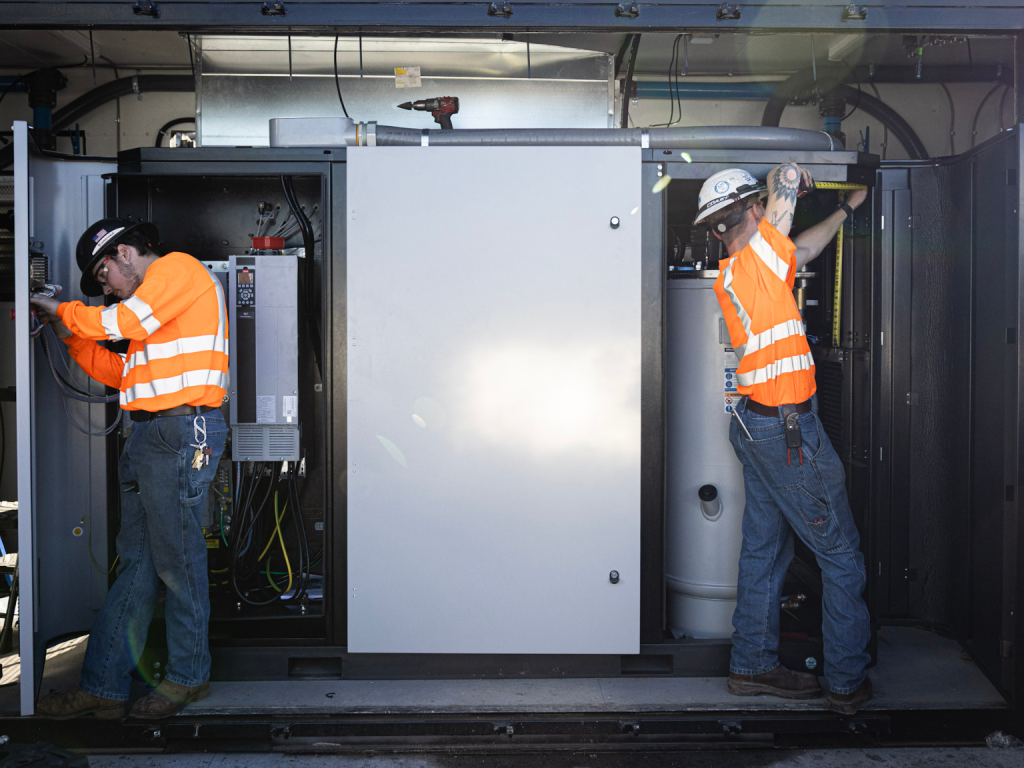
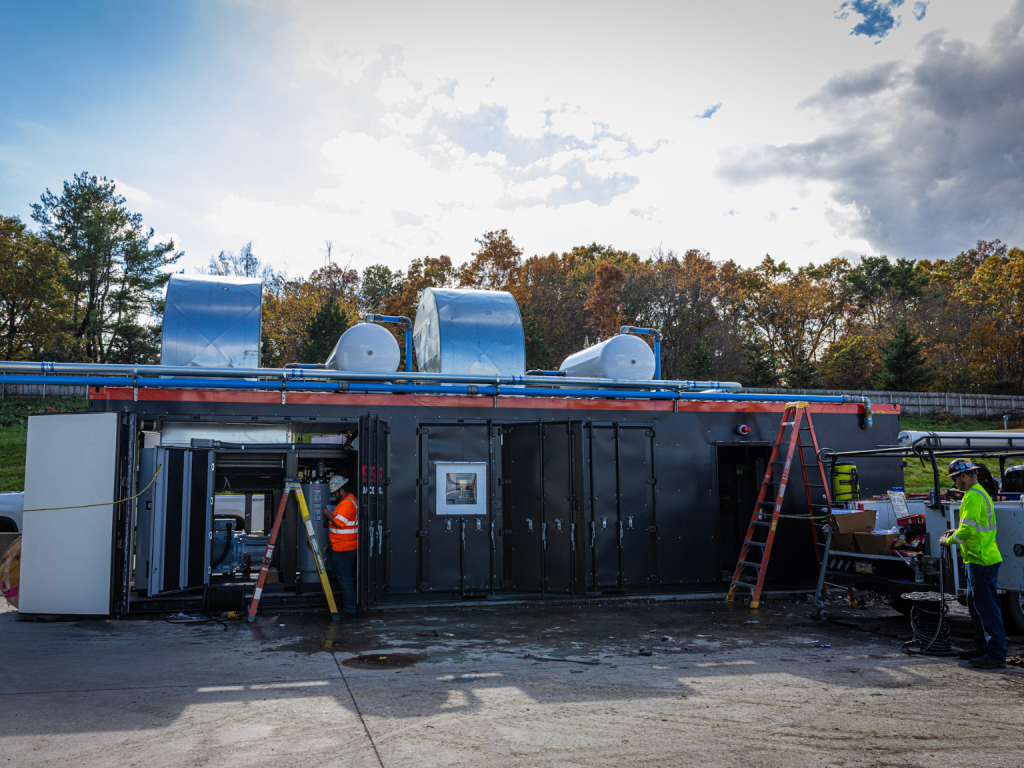
Compressed air treatment is a critical part of any compressor room design. The compressed air needs to be clean, dry, and properly conditioned before it reaches the plant.
Containerized compressor rooms may include treatment components such as:
CMC works with suppliers such as BEKO TECHNOLOGIES, MikroPor, JORC, Prevost, and CAS to support compressed air treatment, filtration, drying, condensate management, and system protection.
For a deeper look at dryers, filters, separators, and condensate management, visit CMC’s compressed air treatment page.
Compressed air storage helps stabilize demand, reduce pressure swings, and support consistent system performance.
Containerized compressor rooms may include wet or dry tanks in vertical or horizontal configurations. Depending on the system design, storage may be installed inside the enclosure or outside the container as part of the full compressed air system.
Storage planning helps facilities:
CMC helps size and place storage based on air demand, compressor capacity, piping layout, and operating conditions.
The connection between the outdoor compressor room and the plant matters. Piping must be sized and routed properly to reduce pressure drop, protect air quality, and support reliable air distribution.
Containerized compressor rooms may include aluminum piping for:
CMC works with Parker Transair and Prevost for aluminum piping systems used in compressed air, vacuum, and inert gas applications. These piping systems help support clean distribution, modular layouts, and efficient connections between the compressor room and the facility.
For more on piping design and upgrades, visit CMC’s compressed air piping systems page.
Containerized systems are not limited to compressed air. Depending on the facility’s needs, an outdoor equipment room may also support gas generation or vacuum equipment.
CMC supports containerized system planning for:
On-site nitrogen generation often depends on clean, dry compressed air, so treatment, filtration, and system design matter. CMC works with suppliers such as Ozen for on-site nitrogen generation.
Vacuum systems may also be built into containerized layouts when the facility needs dedicated equipment space outside the plant.
Safety belongs in the design conversation from the start. Because CMC works closely with sister brand GreasePoint, containerized compressor rooms may be equipped with Amerex or AFEX fire suppression systems for added equipment protection.
Fire suppression options may include:
Fire suppression is especially important in critical environments where compressor equipment supports production, process air, or essential plant operations.
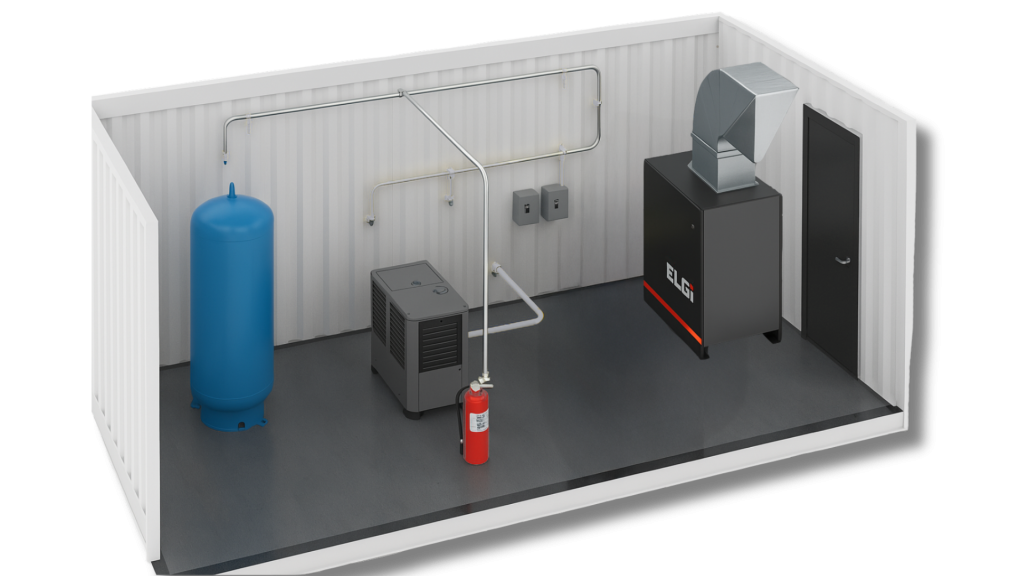
A compressor room needs to be serviceable. Equipment that is difficult to access is harder to maintain, inspect, repair, and upgrade.
CMC helps plan containerized compressor rooms with service access in mind. That includes equipment spacing, filter access, dryer access, drain locations, condensate handling, ventilation, piping layout, and future service needs.
A service-friendly layout helps maintenance teams:
For ongoing support, CMC also provides compressed air service and parts for compressors, dryers, piping, treatment equipment, and related system components.
Compressor room layout affects efficiency. Heat, ventilation, piping distance, pressure drop, storage, air treatment, and controls all influence how efficiently the compressed air system operates.
A well-planned containerized compressor room helps support efficiency by organizing the system around:
For facilities planning efficiency improvements, CMC also helps connect compressed air system upgrades to available air compressor energy rebates
CMC supports containerized compressor rooms for facilities that need dependable compressed air equipment without using valuable interior square footage.
Common applications include:
Each facility has different air demand, air quality requirements, layout constraints, and long-term goals. CMC helps design the compressor room around the way the system supports the plant.
Compressed air equipment takes up valuable space inside a plant. When production areas, storage space, maintenance zones, and equipment layouts already compete for square footage, adding or expanding a traditional compressor room inside the building is not always the best option.
Compressor Maintenance Co. helps facilities solve that problem with containerized compressor rooms built for outdoor placement. These prefabricated compressor rooms house compressed air equipment in a dedicated exterior enclosure, helping facilities save interior floor space while adding reliable system capacity.
CMC supports containerized compressed air rooms for plants that need more air, cleaner equipment organization, better service access, or a practical way to expand without giving up valuable space inside the facility.
A containerized compressor room is a prefabricated outdoor enclosure designed to house compressed air equipment outside the plant.
Instead of building or expanding an interior compressor room, the facility places the compressor room outside and connects it to the plant’s compressed air system. These systems support compressors, dryers, filtration, tanks, piping, condensate management, fire suppression, nitrogen generation, oxygen generation, and vacuum equipment depending on the application.
The result is a dedicated compressor room solution that saves interior square footage and supports facility growth.
Many plants need more compressed air capacity but do not have open space inside the building. Others want compressor equipment separated from production, maintenance, or storage areas.
A containerized compressor room helps facilities:
For facilities where floor space is limited, an outdoor compressor room gives operations and maintenance teams a cleaner path to compressed air expansion.
Containerized compressor rooms are especially useful when a facility outgrows its existing compressed air setup.
This may happen when:
CMC helps facilities evaluate air demand, existing equipment, available outdoor placement, piping requirements, treatment needs, and future expansion goals before recommending a containerized compressor room layout.
A containerized compressor room arrives as a prefabricated system designed around the facility’s needs.
These enclosures help reduce the complexity of building a compressor room from scratch inside the plant. Instead of coordinating a full interior buildout, the equipment is organized inside a dedicated outdoor room with planned connections for power, discharge air, condensate, piping, and system components.
Containerized compressor rooms support:
CMC helps align the compressor room with the facility’s compressed air demand, air treatment needs, piping strategy, and long-term operating goals.
Containerized compressor rooms are built to protect compressed air equipment in outdoor environments.
The enclosure helps shield equipment from weather, temperature changes, and environmental exposure while providing a dedicated space for compressors and supporting components.
Key design considerations include:
CMC helps review placement, access, airflow, utility connections, equipment layout, and service needs before the system is built and installed.
The biggest advantage of a containerized compressor room is the ability to move compressed air equipment outside the facility.
That matters because plant floor space is valuable. Every square foot used for a compressor room is space that is not available for production, storage, maintenance, inventory, packaging, or future growth.
A containerized compressor room helps preserve interior square footage while still supporting the compressed air system that production depends on.
For expanding plants, this approach helps compressed air capacity grow without sacrificing the space needed for core operations.
CMC supports containerized rooms for both oil-free and oil-flooded compressed air systems.
Compressed air configurations may include:
Containerized compressed air systems support a wide range of industrial applications, including manufacturing, packaging, food and beverage, service operations, process air, and production support.
CMC works with compressor and system suppliers such as BOGE, ELGi, Champion, Sullivan-Palatek, FS-Elliott, CAS, and Ozen depending on the equipment type, air demand, and application.
Compressed air treatment is a critical part of any compressor room design. The compressed air needs to be clean, dry, and properly conditioned before it reaches the plant.
Containerized compressor rooms may include treatment components such as:
CMC works with suppliers such as BEKO TECHNOLOGIES, MikroPor, JORC, Prevost, and CAS to support compressed air treatment, filtration, drying, condensate management, and system protection.
For a deeper look at dryers, filters, separators, and condensate management, visit CMC’s compressed air treatment page.
Compressed air storage helps stabilize demand, reduce pressure swings, and support consistent system performance.
Containerized compressor rooms may include wet or dry tanks in vertical or horizontal configurations. Depending on the system design, storage may be installed inside the enclosure or outside the container as part of the full compressed air system.
Storage planning helps facilities:
CMC helps size and place storage based on air demand, compressor capacity, piping layout, and operating conditions.
The connection between the outdoor compressor room and the plant matters. Piping must be sized and routed properly to reduce pressure drop, protect air quality, and support reliable air distribution.
Containerized compressor rooms may include aluminum piping for:
CMC works with Parker Transair and Prevost for aluminum piping systems used in compressed air, vacuum, and inert gas applications. These piping systems help support clean distribution, modular layouts, and efficient connections between the compressor room and the facility.
For more on piping design and upgrades, visit CMC’s compressed air piping systems page.
Containerized systems are not limited to compressed air. Depending on the facility’s needs, an outdoor equipment room may also support gas generation or vacuum equipment.
CMC supports containerized system planning for:
On-site nitrogen generation often depends on clean, dry compressed air, so treatment, filtration, and system design matter. CMC works with suppliers such as Ozen for on-site nitrogen generation.
Vacuum systems may also be built into containerized layouts when the facility needs dedicated equipment space outside the plant.
Safety belongs in the design conversation from the start. Because CMC works closely with sister brand GreasePoint, containerized compressor rooms may be equipped with Amerex or AFEX fire suppression systems for added equipment protection.
Fire suppression options may include:
Fire suppression is especially important in critical environments where compressor equipment supports production, process air, or essential plant operations.
A compressor room needs to be serviceable. Equipment that is difficult to access is harder to maintain, inspect, repair, and upgrade.
CMC helps plan containerized compressor rooms with service access in mind. That includes equipment spacing, filter access, dryer access, drain locations, condensate handling, ventilation, piping layout, and future service needs.
A service-friendly layout helps maintenance teams:
For ongoing support, CMC also provides compressed air service and parts for compressors, dryers, piping, treatment equipment, and related system components.
Compressor room layout affects efficiency. Heat, ventilation, piping distance, pressure drop, storage, air treatment, and controls all influence how efficiently the compressed air system operates.
A well-planned containerized compressor room helps support efficiency by organizing the system around:
For facilities planning efficiency improvements, CMC also helps connect compressed air system upgrades to available air compressor energy rebates
CMC supports containerized compressor rooms for facilities that need dependable compressed air equipment without using valuable interior square footage.
Common applications include:
Each facility has different air demand, air quality requirements, layout constraints, and long-term goals. CMC helps design the compressor room around the way the system supports the plant.
A containerized compressor room is a prefabricated outdoor enclosure that houses compressed air equipment outside the plant. It helps facilities save interior floor space while supporting reliable compressed air capacity.
Facilities use containerized compressor rooms when they need more compressed air capacity but do not want to use valuable square footage inside the plant. These systems help support production growth, equipment upgrades, and compressor room expansion from an exterior location.
These as outdoor containerized compressor rooms, not mobile air units. Their main purpose is to house compressed air equipment outside the plant, so the facility preserves interior floor space.
A containerized compressor room may include compressors, dryers, filters, tanks, condensate drains, oil-water separators, piping, controls, fire suppression, nitrogen generation equipment, oxygen generation equipment, or vacuum equipment depending on the application.
Yes. Containerized compressor rooms often include air treatment equipment such as refrigerated dryers, desiccant dryers, line filters, mist eliminators, oil-water separators, and condensate drains.
Yes. Containerized systems may support on-site nitrogen generation when the facility needs nitrogen production along with compressed air treatment, filtration, piping, and related system components.
Yes. Piping affects pressure drop, air quality, and system efficiency. Properly sized and routed piping helps move compressed air from the outdoor compressor room into the facility with less wasted energy and better system performance.
Enough about us, let’s talk about you. Tell us about your project needs.