
An oil-free compressor produces compressed air without using oil in the compression chamber. This helps reduce the risk of oil entering the compressed air stream.
Oil-free compressors are used in applications where oil contamination creates product quality, process, or equipment concerns. Common uses include food and beverage, pharmaceutical, healthcare, electronics, laboratory, packaging, and sensitive manufacturing applications.
Not exactly. Oil-free compressed air reduces oil contamination risk from the compressor, but the air may still contain moisture, particulates, vapor, or contaminants from ambient air or downstream equipment. Dryers, filters, and proper piping still matter.
Oil-lubricated compressors use oil in the compression chamber for cooling, sealing, and lubrication. Oil-free compressors keep oil out of the compression chamber, which helps reduce oil carryover risk in the compressed air stream.
Oil-free compressors do not use oil in the compression chamber. However, the full compressed air system still needs proper treatment and maintenance to control moisture, particulates, vapor, and other contaminants.
ISO 8573-1 Class 0 is an air quality classification used for applications with very strict oil contamination limits. It is commonly referenced when facilities need compressed air with the lowest oil contamination risk.
Common oil-free compressor types include rotary screw compressors, reciprocating compressors, scroll compressors, and centrifugal compressors. Each type fits different air demand, pressure, duty cycle, and application requirements.
Oil-free compressors often have a higher upfront cost than comparable oil-lubricated systems, but they may reduce contamination risk, filtration burden, product quality concerns, and certain maintenance needs depending on the application.
Yes. Oil-free compressors still need filters and dryers because compressed air can contain moisture, particulates, vapor, and other contaminants. Air treatment helps protect downstream equipment and product quality.
Start with air demand, pressure, duty cycle, air quality requirements, application risk, available space, maintenance expectations, and future growth. These factors determine whether rotary screw, reciprocating, scroll, or centrifugal technology is the best fit.
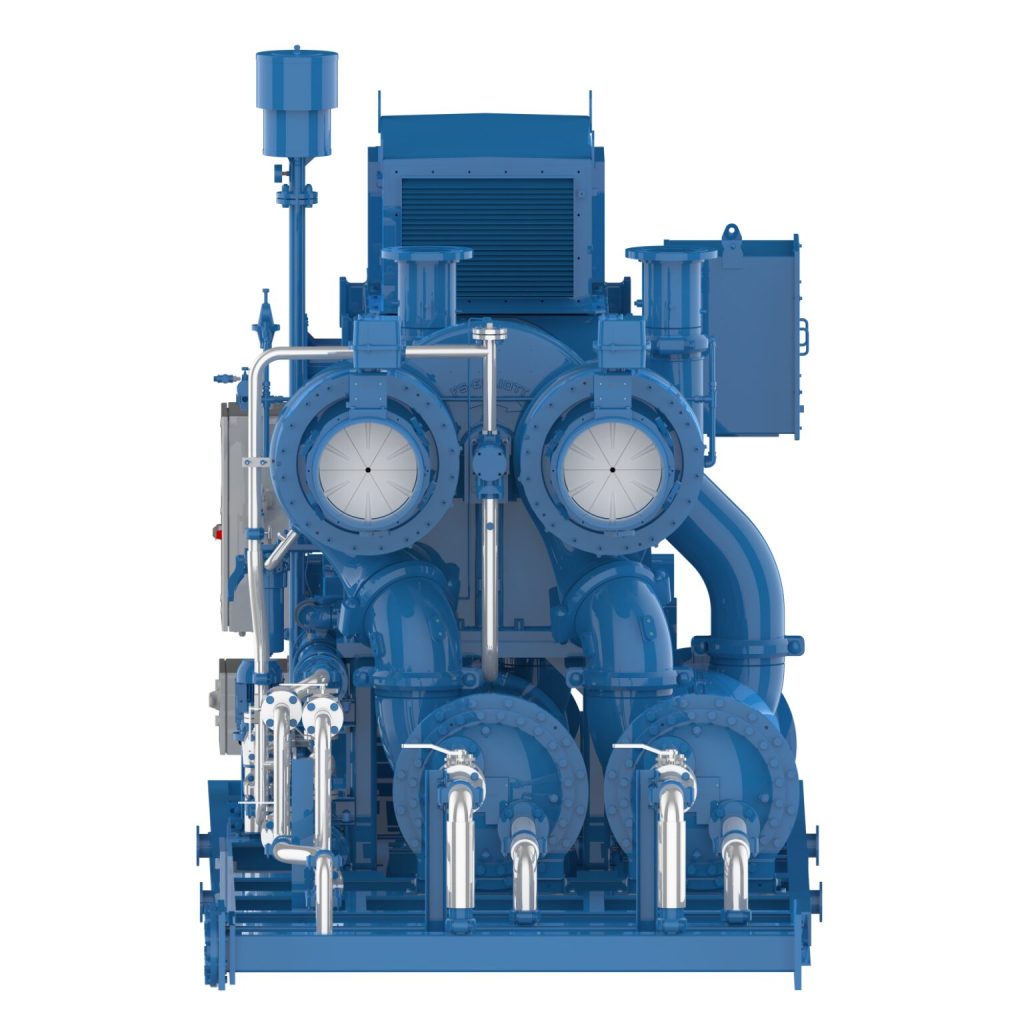
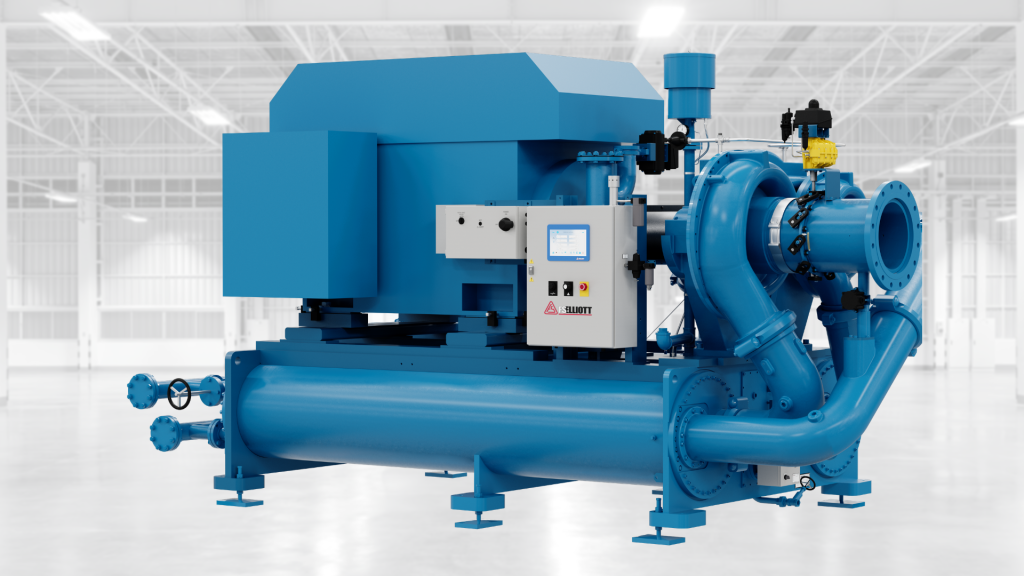
The FS-Elliott Polaris® P650 DF supports facilities that need high-capacity oil-free compressed air in a compact footprint.
This centrifugal compressor is designed for demanding industrial applications where clean air, reliable performance, and long-term efficiency matter. Its dual-flow capability supports dependable airflow while helping reduce installation complexity and simplify maintenance.
For operations focused on uptime, performance, and lower total cost of ownership, the Polaris® P650 DF is a strong fit for large-scale oil-free compressed air applications.
Oil-free compressors help facilities produce clean compressed air for applications where oil contamination creates product quality, equipment, or process concerns. These systems are commonly used in manufacturing, food and beverage, pharmaceutical, healthcare, electronics, laboratory, and other sensitive production environments.
Compressor Maintenance Co. helps facilities choose, install, service, and maintain oil-free compressed air systems that support clean air, reliable performance, and long-term efficiency.
We support oil-free rotary screw compressors, oil-free reciprocating compressors, scroll compressors, and oil-free centrifugal compressors from trusted suppliers such as BOGE, ELGi, Champion, and FS-Elliott. Whether the application needs lower contamination risk, ISO 8573-1 Class 0 performance, continuous plant air, or high-volume centrifugal air, CMC helps match the right compressor to the system.
An oil-free compressor produces compressed air without using oil in the compression chamber. This helps reduce the risk of oil carryover into the air stream and supports cleaner compressed air for sensitive applications.
Oil-free compressors are often used when compressed air touches products, packaging, instruments, controls, or production equipment where oil contamination creates risk.
Common oil-free compressor types include:
The best choice depends on air demand, required pressure, duty cycle, air quality requirements, operating environment, and total cost of ownership.
Oil contamination in compressed air can create expensive problems. It can affect product quality, damage sensitive equipment, increase filtration demands, contaminate packaging, and create process risk.
Oil-free compressors help facilities reduce this risk by keeping oil out of the compression process. That makes them a strong fit for applications where air quality is critical.
Oil-free compressed air supports:
Oil-free does not mean maintenance-free. These compressors still require proper service, air treatment, filtration, piping, controls, and system monitoring to perform reliably.
Oil-free and oil-lubricated compressors both produce compressed air, but they use different approaches inside the compression process.
Oil-lubricated compressors use oil for cooling, sealing, and lubrication inside the compression chamber. They are common in many industrial facilities and work well when the application does not require oil-free air.
Oil-free compressors keep oil out of the compression chamber. That helps reduce oil carryover risk and supports cleaner air for applications where contamination matters.
The choice depends on the application. A general maintenance shop may not need oil-free air. A food production line, electronics process, pharmaceutical application, or high-volume clean air system may require it.
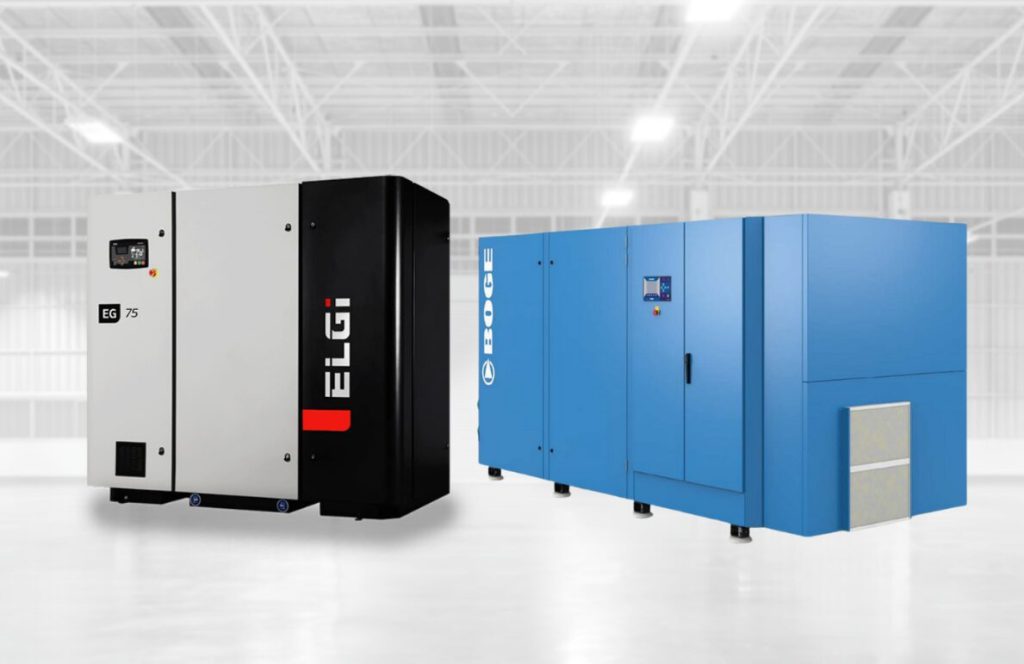
Oil-free rotary screw compressors provide clean, reliable compressed air for facilities with continuous demand.
These systems fit manufacturing plants, food and beverage facilities, pharmaceutical operations, electronics production, packaging lines, and other applications where the air system runs throughout the day.
CMC works with suppliers such as BOGE and ELGi to support oil-free rotary screw compressor applications. These systems help facilities maintain consistent air delivery while reducing oil contamination risk in the compressed air stream.
Oil-free rotary screw compressors are often a strong fit when a facility needs:
We help review air demand, pressure requirements, air quality needs, operating schedule, maintenance expectations, and future growth before recommending a system.
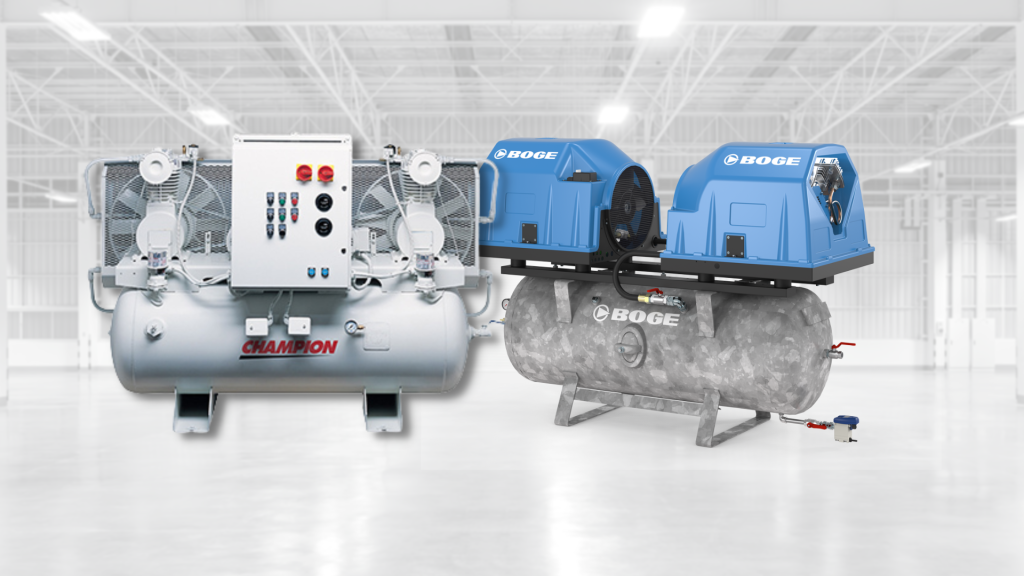
Oil-free reciprocating compressors support applications that need clean air with smaller or intermittent demand.
These piston-driven compressors are often used in laboratories, healthcare environments, automotive applications, smaller production areas, maintenance spaces, and specialty processes where oil carryover risk needs to be reduced.
CMC supports oil-free reciprocating compressors from suppliers such as Champion and BOGE
Oil-free reciprocating compressors are often a strong fit when a facility needs:
We help compare reciprocating compressor options against scroll, rotary screw, and centrifugal systems based on demand, duty cycle, air quality, and service expectations
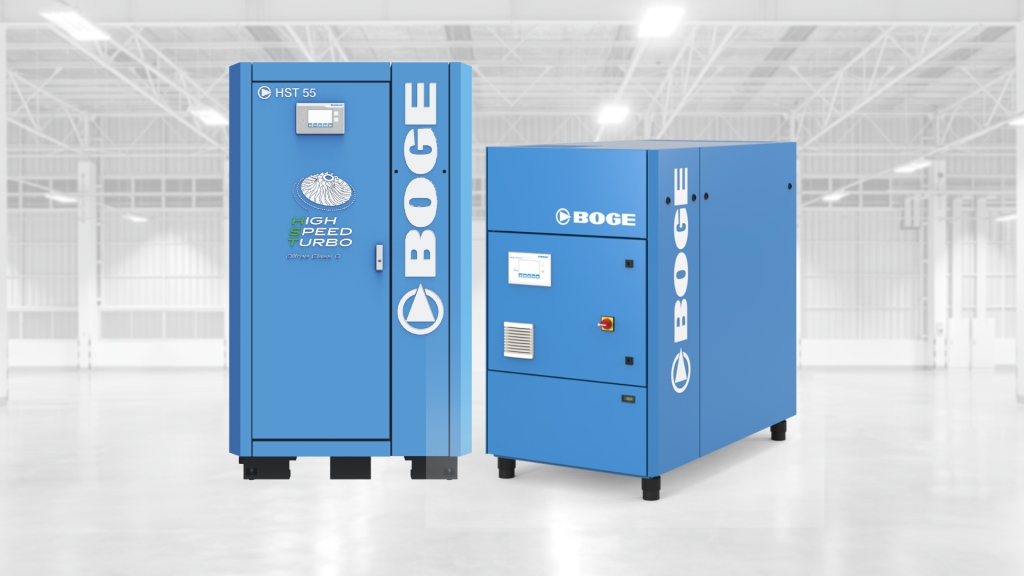
Oil-free scroll compressors are a strong fit for quiet, compact, and low-vibration compressed air applications.
These systems are often used in laboratories, healthcare environments, dental and medical support spaces, electronics, research facilities, and point-of-use applications where clean air and quieter operation matter.
Scroll compressors are typically best for lower to moderate air demand. They are not usually the right choice for large plant-wide compressed air systems, but they work well in applications where clean air, sound level, footprint, and smooth operation are important.
CMC supports oil-free scroll compressor applications with BOGE.
Oil-free scroll compressors are often a strong fit when a facility needs:
We help compare scroll compressors against reciprocating, rotary screw, and centrifugal systems based on air demand, duty cycle, sound level, space, and air quality needs.
Oil-free centrifugal compressors support high-volume compressed air demand in large industrial environments.
These systems are often used in manufacturing plants, chemical processing, food and beverage production, pharmaceutical operations, power generation, and other facilities that need oil-free air at scale.
CMC supports oil-free centrifugal compressor applications with suppliers such as FS-Elliott. FS-Elliott centrifugal compressors are especially relevant for large facilities that need high-capacity, oil-free compressed air with strong long-term performance.
Oil-free centrifugal compressors are often a strong fit when a facility needs:
We help review system capacity, flow demand, pressure requirements, operating profile, air treatment, piping, and lifecycle cost before recommending a centrifugal solution.
Many facilities compare oil-free compressors using ISO 8573-1 Class 0 air quality language.
Class 0 refers to the most stringent oil contamination class under ISO 8573-1. In practical terms, it is used when applications require very low oil contamination risk in the compressed air stream.
Facilities often look for Class 0 oil-free compressors when compressed air supports sensitive production, product contact areas, pharmaceutical processes, food and beverage operations, electronics, or other contamination-sensitive applications.
Air quality still depends on the full system, not only the compressor. Dryers, filters, piping, storage, condensate management, and maintenance all affect the final air quality delivered to the point of use.
Oil-free compressors reduce oil carryover risk from the compression process, but compressed air can still contain moisture, particulates, vapor, and contaminants from ambient air or downstream system components.
That means oil-free systems still need proper air treatment.
CMC supports oil-free compressed air systems with dryers, filtration, separators, drains, condensate management, and point-of-use treatment. We work with suppliers such as BEKO TECHNOLOGIES, JORC, MikroPor, CAS, and Prevost to support clean, dry compressed air.
For more on dryers, filtration, separators, and condensate management, visit compressed air treatment
Compressed air piping matters in oil-free systems because the air must stay clean as it travels from the compressor room to the point of use.
Old or corroded pipe can introduce rust, scale, moisture, and debris into the air stream. Poor piping layout can also create pressure drop and wasted energy.
CMC supports aluminum compressed air piping systems from Parker Transair and Prevost. These systems help reduce corrosion concerns, improve distribution, and support cleaner air delivery in facilities where air quality matters.
For more on air distribution, visit our compressed air piping systems page.
The right oil-free compressor depends on the way the facility uses compressed air.
A small lab may need a quiet oil-free scroll compressor. A maintenance area may need an oil-free reciprocating compressor. A production facility may need an oil-free rotary screw compressor. A large industrial plant may need an oil-free centrifugal system.
When evaluating options, we review:
This helps CMC recommend equipment that fits the application instead of selecting a compressor by category alone.
Oil-free compressors still need routine maintenance to stay reliable.
Maintenance may include inspection, filter replacement, cooling system checks, dryer and drain review, control checks, piping review, leak detection, and general system performance monitoring.
CMC provides service, parts, preventive maintenance, troubleshooting, and 24/7 emergency support for compressed air systems and related equipment.
For broader service support, visit CMC’s compressed air service and parts page.
Oil-free compressors help facilities produce clean compressed air for applications where oil contamination creates product quality, equipment, or process concerns. These systems are commonly used in manufacturing, food and beverage, pharmaceutical, healthcare, electronics, laboratory, and other sensitive production environments.
Compressor Maintenance Co. helps facilities choose, install, service, and maintain oil-free compressed air systems that support clean air, reliable performance, and long-term efficiency.
We support oil-free rotary screw compressors, oil-free reciprocating compressors, scroll compressors, and oil-free centrifugal compressors from trusted suppliers such as BOGE, ELGi, Champion, and FS-Elliott. Whether the application needs lower contamination risk, ISO 8573-1 Class 0 performance, continuous plant air, or high-volume centrifugal air, CMC helps match the right compressor to the system.
An oil-free compressor produces compressed air without using oil in the compression chamber. This helps reduce the risk of oil carryover into the air stream and supports cleaner compressed air for sensitive applications.
Oil-free compressors are often used when compressed air touches products, packaging, instruments, controls, or production equipment where oil contamination creates risk.
Common oil-free compressor types include:
The best choice depends on air demand, required pressure, duty cycle, air quality requirements, operating environment, and total cost of ownership.
Oil contamination in compressed air can create expensive problems. It can affect product quality, damage sensitive equipment, increase filtration demands, contaminate packaging, and create process risk.
Oil-free compressors help facilities reduce this risk by keeping oil out of the compression process. That makes them a strong fit for applications where air quality is critical.
Oil-free compressed air supports:
Oil-free does not mean maintenance-free. These compressors still require proper service, air treatment, filtration, piping, controls, and system monitoring to perform reliably.
Oil-free and oil-lubricated compressors both produce compressed air, but they use different approaches inside the compression process.
Oil-lubricated compressors use oil for cooling, sealing, and lubrication inside the compression chamber. They are common in many industrial facilities and work well when the application does not require oil-free air.
Oil-free compressors keep oil out of the compression chamber. That helps reduce oil carryover risk and supports cleaner air for applications where contamination matters.
The choice depends on the application. A general maintenance shop may not need oil-free air. A food production line, electronics process, pharmaceutical application, or high-volume clean air system may require it.
Oil-free rotary screw compressors provide clean, reliable compressed air for facilities with continuous demand.
These systems fit manufacturing plants, food and beverage facilities, pharmaceutical operations, electronics production, packaging lines, and other applications where the air system runs throughout the day.
CMC works with suppliers such as BOGE and ELGi to support oil-free rotary screw compressor applications. These systems help facilities maintain consistent air delivery while reducing oil contamination risk in the compressed air stream.
Oil-free rotary screw compressors are often a strong fit when a facility needs:
We help review air demand, pressure requirements, air quality needs, operating schedule, maintenance expectations, and future growth before recommending a system.
Oil-free reciprocating compressors support applications that need clean air with smaller or intermittent demand.
These piston-driven compressors are often used in laboratories, healthcare environments, automotive applications, smaller production areas, maintenance spaces, and specialty processes where oil carryover risk needs to be reduced.
CMC supports oil-free reciprocating compressors from suppliers such as Champion and BOGE
Oil-free reciprocating compressors are often a strong fit when a facility needs:
We help compare reciprocating compressor options against scroll, rotary screw, and centrifugal systems based on demand, duty cycle, air quality, and service expectations
Oil-free scroll compressors are a strong fit for quiet, compact, and low-vibration compressed air applications.
These systems are often used in laboratories, healthcare environments, dental and medical support spaces, electronics, research facilities, and point-of-use applications where clean air and quieter operation matter.
Scroll compressors are typically best for lower to moderate air demand. They are not usually the right choice for large plant-wide compressed air systems, but they work well in applications where clean air, sound level, footprint, and smooth operation are important.
CMC supports oil-free scroll compressor applications with BOGE.
Oil-free scroll compressors are often a strong fit when a facility needs:
We help compare scroll compressors against reciprocating, rotary screw, and centrifugal systems based on air demand, duty cycle, sound level, space, and air quality needs.
Oil-free centrifugal compressors support high-volume compressed air demand in large industrial environments.
These systems are often used in manufacturing plants, chemical processing, food and beverage production, pharmaceutical operations, power generation, and other facilities that need oil-free air at scale.
CMC supports oil-free centrifugal compressor applications with suppliers such as FS-Elliott. FS-Elliott centrifugal compressors are especially relevant for large facilities that need high-capacity, oil-free compressed air with strong long-term performance.
Oil-free centrifugal compressors are often a strong fit when a facility needs:
We help review system capacity, flow demand, pressure requirements, operating profile, air treatment, piping, and lifecycle cost before recommending a centrifugal solution.
Many facilities compare oil-free compressors using ISO 8573-1 Class 0 air quality language.
Class 0 refers to the most stringent oil contamination class under ISO 8573-1. In practical terms, it is used when applications require very low oil contamination risk in the compressed air stream.
Facilities often look for Class 0 oil-free compressors when compressed air supports sensitive production, product contact areas, pharmaceutical processes, food and beverage operations, electronics, or other contamination-sensitive applications.
Air quality still depends on the full system, not only the compressor. Dryers, filters, piping, storage, condensate management, and maintenance all affect the final air quality delivered to the point of use.
Oil-free compressors reduce oil carryover risk from the compression process, but compressed air can still contain moisture, particulates, vapor, and contaminants from ambient air or downstream system components.
That means oil-free systems still need proper air treatment.
CMC supports oil-free compressed air systems with dryers, filtration, separators, drains, condensate management, and point-of-use treatment. We work with suppliers such as BEKO TECHNOLOGIES, JORC, MikroPor, CAS, and Prevost to support clean, dry compressed air.
For more on dryers, filtration, separators, and condensate management, visit compressed air treatment
Compressed air piping matters in oil-free systems because the air must stay clean as it travels from the compressor room to the point of use.
Old or corroded pipe can introduce rust, scale, moisture, and debris into the air stream. Poor piping layout can also create pressure drop and wasted energy.
CMC supports aluminum compressed air piping systems from Parker Transair and Prevost. These systems help reduce corrosion concerns, improve distribution, and support cleaner air delivery in facilities where air quality matters.
For more on air distribution, visit our compressed air piping systems page.
The right oil-free compressor depends on the way the facility uses compressed air.
A small lab may need a quiet oil-free scroll compressor. A maintenance area may need an oil-free reciprocating compressor. A production facility may need an oil-free rotary screw compressor. A large industrial plant may need an oil-free centrifugal system.
When evaluating options, we review:
This helps CMC recommend equipment that fits the application instead of selecting a compressor by category alone.
Oil-free compressors still need routine maintenance to stay reliable.
Maintenance may include inspection, filter replacement, cooling system checks, dryer and drain review, control checks, piping review, leak detection, and general system performance monitoring.
CMC provides service, parts, preventive maintenance, troubleshooting, and 24/7 emergency support for compressed air systems and related equipment.
For broader service support, visit CMC’s compressed air service and parts page.
An oil-free compressor produces compressed air without using oil in the compression chamber. This helps reduce the risk of oil entering the compressed air stream.
Oil-free compressors are used in applications where oil contamination creates product quality, process, or equipment concerns. Common uses include food and beverage, pharmaceutical, healthcare, electronics, laboratory, packaging, and sensitive manufacturing applications.
Not exactly. Oil-free compressed air reduces oil contamination risk from the compressor, but the air may still contain moisture, particulates, vapor, or contaminants from ambient air or downstream equipment. Dryers, filters, and proper piping still matter.
Oil-lubricated compressors use oil in the compression chamber for cooling, sealing, and lubrication. Oil-free compressors keep oil out of the compression chamber, which helps reduce oil carryover risk in the compressed air stream.
Oil-free compressors do not use oil in the compression chamber. However, the full compressed air system still needs proper treatment and maintenance to control moisture, particulates, vapor, and other contaminants.
ISO 8573-1 Class 0 is an air quality classification used for applications with very strict oil contamination limits. It is commonly referenced when facilities need compressed air with the lowest oil contamination risk.
Common oil-free compressor types include rotary screw compressors, reciprocating compressors, scroll compressors, and centrifugal compressors. Each type fits different air demand, pressure, duty cycle, and application requirements.
Oil-free compressors often have a higher upfront cost than comparable oil-lubricated systems, but they may reduce contamination risk, filtration burden, product quality concerns, and certain maintenance needs depending on the application.
Yes. Oil-free compressors still need filters and dryers because compressed air can contain moisture, particulates, vapor, and other contaminants. Air treatment helps protect downstream equipment and product quality.
Start with air demand, pressure, duty cycle, air quality requirements, application risk, available space, maintenance expectations, and future growth. These factors determine whether rotary screw, reciprocating, scroll, or centrifugal technology is the best fit.
The FS-Elliott Polaris® P650 DF supports facilities that need high-capacity oil-free compressed air in a compact footprint.
This centrifugal compressor is designed for demanding industrial applications where clean air, reliable performance, and long-term efficiency matter. Its dual-flow capability supports dependable airflow while helping reduce installation complexity and simplify maintenance.
For operations focused on uptime, performance, and lower total cost of ownership, the Polaris® P650 DF is a strong fit for large-scale oil-free compressed air applications.
Enough about us, let’s talk about you. Tell us about your project needs.